Food commerce and fulfillmentPlatform story
Four food brands, one backend, and books that classify themselves.
Craveble is a Sacramento food company co-founded by our founder. We built one multi-tenant commerce platform behind four brand storefronts and the flagship store, automated its fulfillment, tax and branded email, put its new fulfillment business online, and gave it an AI CFO that can look at every transaction but cannot touch one.
- Engagement
- Venture we co-operate
- Company
- Craveble
- Sector
- Food commerce and fulfillment
- Story
- Platform
- On the web
- craveble.com (opens in a new tab)
The number
The one figure we’ll stand behind.
Open the receipt for where it came from, how it was counted and when we last checked it. How we count
4
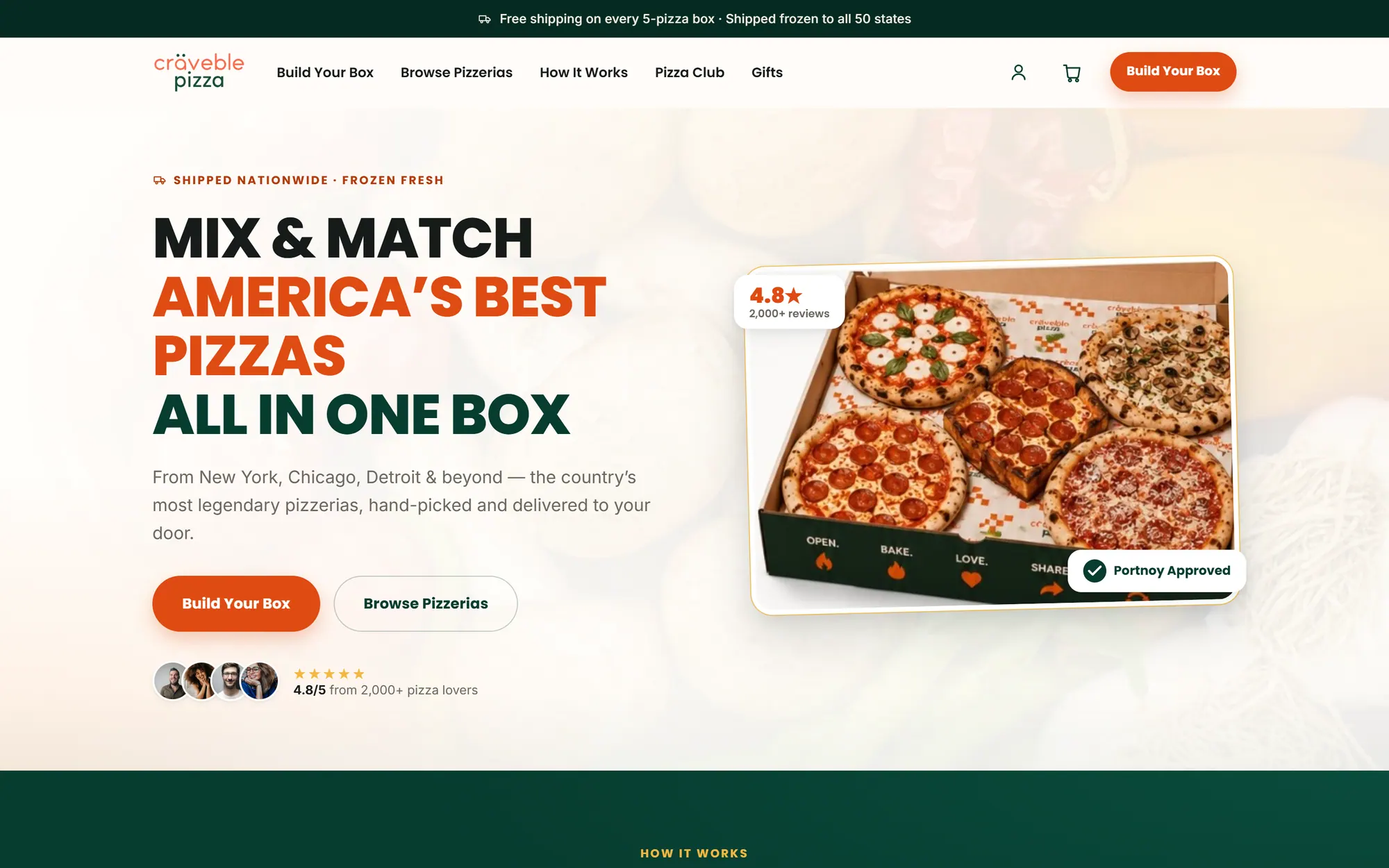
brand storefronts on one multi-tenant backend, plus the flagship store
Each store’s data isolated by Postgres row-level security; a new store is one provisioning script away.
receipt
SOURCE · Craveble platform monorepo
METHOD · Storefront apps deployed against the shared API.
VERIFIED · 2026-09
CLASS · repository
✓ every number on this site opens its receipt
CLAIM · storefronts
How we count01 · Where they started
A food company growing brand by brand
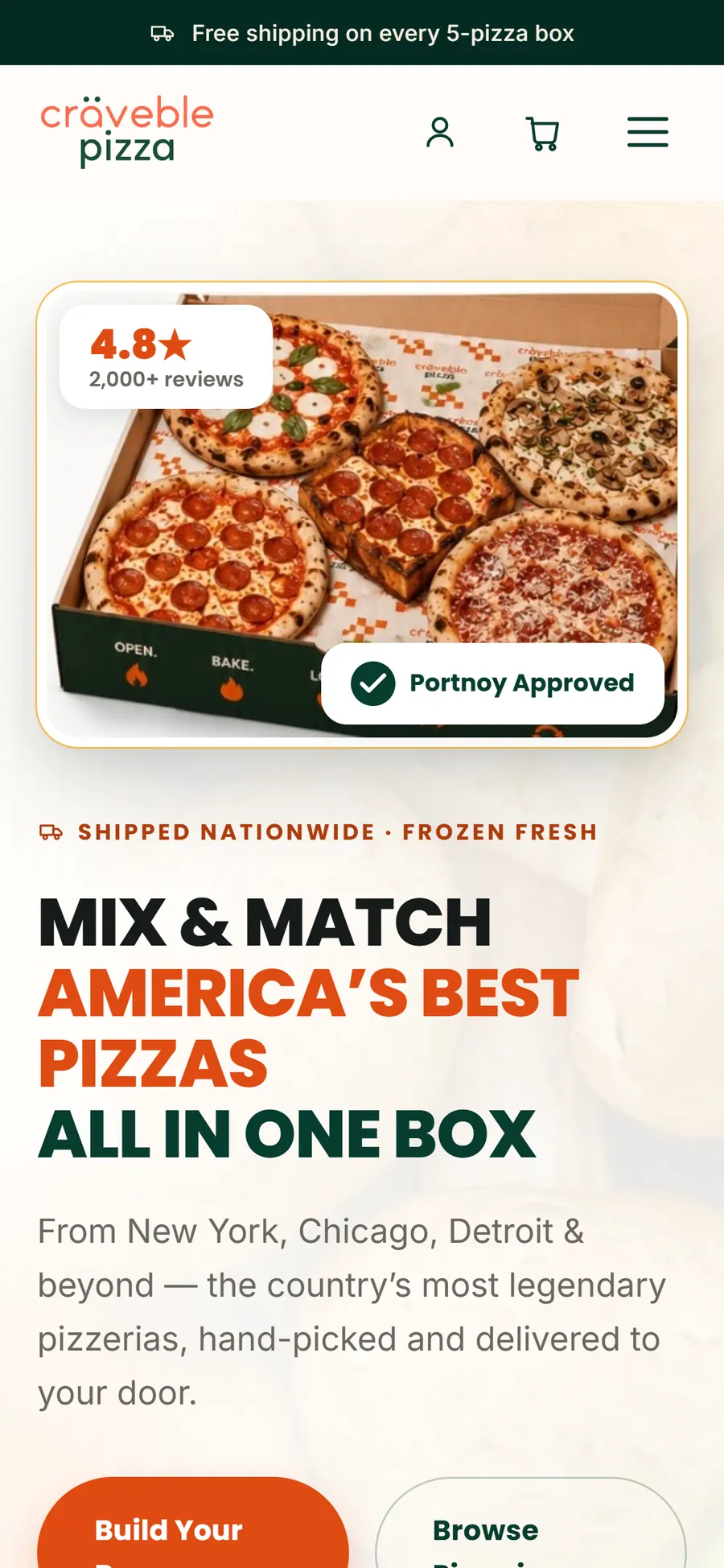
Craveble is a venture we co-operate: our founder is one of its founders, so its problems land on our desk as our own. As more brands came under one roof (Knuckle Ball, Buckhorn, Kodibear, Baker & Cakemaker), each needed its own storefront, its own emails and its own checkout rules, and every order still had to be shipped, taxed and booked.
02 · The wall
Four brands on four stacks would have quadrupled every fix
Separate stores mean separate bugs, separate deploys and separate spreadsheets. The platform had to isolate each brand’s data completely, keep fulfillment moving without someone watching ShipStation, charge the right tax per product, and send email that looks like each brand rather than like a platform.
03 · What we built
What we built.
Named systems, described by what they do, one part at a time.
Part 1: One backend, isolated by the database
An Express 5 + Prisma API over Postgres uses row-level security to isolate every store’s data in the database itself, not in application code. Owner roles and per-store API keys scope access, and a provisioning script creates a new store with its owner, checkout rules and key in one run. Storefronts are per-brand React/Vite and Next.js apps, and the admin portal is Next.js.
- Tenant isolation enforced by Postgres row-level security
- A new branded store in one provisioning run
- Per-store SEO sitemaps generated at build time
Part 2: Operations that run themselves
ShipStation webhooks update order status automatically, catch voided shipments and record shipping cost per order. TaxJar product tax codes handle tax; a checkout-rules engine, option-level inventory and one-time coupons handle the catalog and promotions. Order confirmation, welcome, password-reset and shipment emails go out through Postmark and SendGrid from each brand’s own sender identity, and a TensorFlow.js service finds the subject of every product photo and crops the variants automatically.
- Fulfillment status without anyone refreshing a dashboard
- Store-branded transactional email for every brand
- Object detection that auto-crops product imagery into Cloud Storage
Part 3: Funnels measured to the purchase
The Knuckle Ball storefront carries a full Meta Pixel e-commerce funnel (page view, product view, add to cart, checkout, and purchase with order value), and the flagship runs Google Tag Manager, so paid traffic can be judged on purchases rather than clicks. Structured data and sitemaps ship with every store.
Part 4: An AI CFO that can look, but cannot touch
Bank and card accounts link through Plaid, and an idempotent cursor engine syncs every transaction into Postgres without double-counting if a page of results fails midway. Claude classifies each merchant into a real chart of accounts: live for new transactions, and through the discounted batch API for up to two years of history pulled on first link. Code, not the model, decides P&L grouping and tax deductibility. A streaming “Ask the CFO” advisor answers from a live snapshot of the books, beside views for burn, payroll, labor cost, payables and shipping cost.
- The AI classifies; deterministic code decides the accounting treatment
- Transfers and card payments de-duplicated so burn is never double-counted
- QuickBooks import and CSV export for the CPA
Part 5: New revenue lines, launched like products
When Craveble opened a fulfillment business for other food brands, we shipped its lead-generation site: SEO-structured pages for frozen, refrigerated and ambient storage, JSON-LD, a sitemap, and inquiries routed to both founders, deployed to Cloud Run with a single command. Its Amazon FBA prep page started as a Bolt.new scaffold, the same AI app builder many founders start with, and our engineers took it from there to Cloud Run.
- A landing page per service line, with structured data
- Lead routing through a health-checked backend
- A deadline-driven page that began in Bolt.new
04 · Up close
The work, up close.
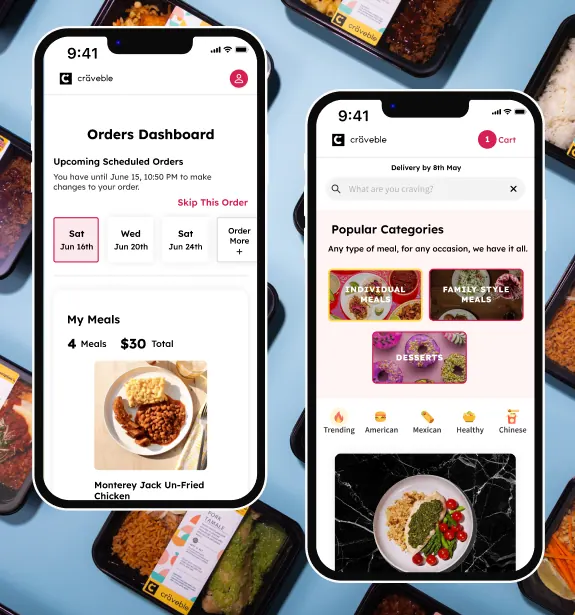
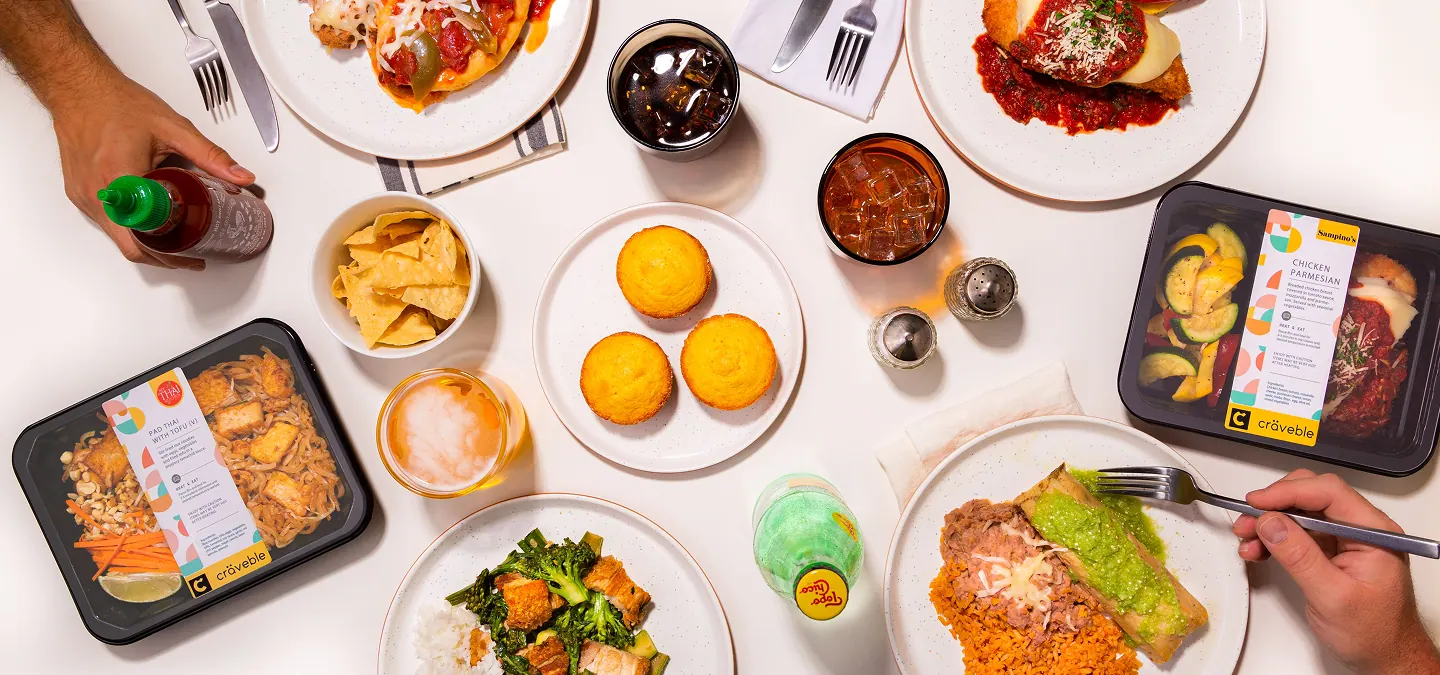
Real screens and real product photography, uncropped. Select any image to enlarge it.

05 · One more receipt
One more figure worth checking.
Same rule as the headline number: it opens to its source, its method and the month we checked it.
6
of our repos started as scaffolds in Bolt.new, an AI app builder, before our engineers took over
Four web front-ends and two product prototypes. We start where many founders start.
receipt
SOURCE · Synaptech portfolio repositories
METHOD · .bolt project directories found during the September 2026 portfolio audit, counted conservatively: four web front-ends and two product prototypes. More of our repositories carry .bolt folders and are not counted here.
VERIFIED · 2026-09
CLASS · repository
✓ every number on this site opens its receipt
CLAIM · bolt-scaffolds
How we countVenture we co-operate
We run our companies on the same rails we sell you.
Craveble is a venture we co-operate, so there is no testimonial on this page. The proof is that we depend on it: when the engineering is wrong, we are the first to feel it.