The number
41 API modules in one operations platform, replacing four legacy apps
Product Engineering · Build what builders can’t
Multi-tenant SaaS, fintech rails, marketplaces and operations platforms, built by the same senior team that finishes prototypes. AI where it earns its keep, behind guardrails you can inspect.
30 minutes. A written gap map. No pitch unless you ask for one.
Curious how AI-assisted delivery changes the timeline? See our documented delivery velocity.
4
brand storefronts on one multi-tenant backend, plus the flagship store
SOURCE · Craveble platform monorepo
METHOD · Storefront apps deployed against the shared API.
VERIFIED · 2026-09
CLASS · repository
✓ every number on this site opens its receipt
CLAIM · storefronts
How we count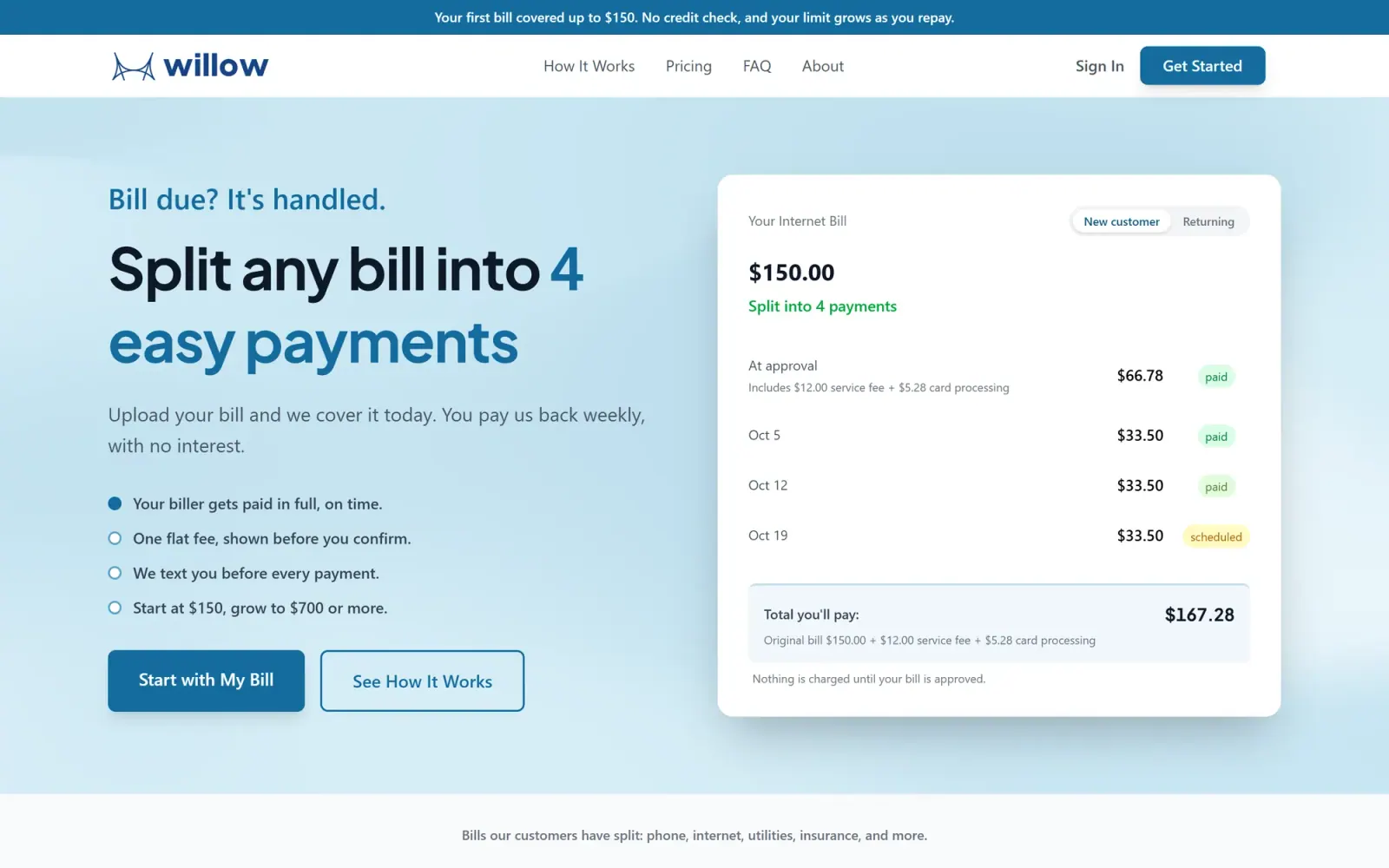

01 · What you get
Some products were never going to fit in a builder. This is what we build when yours is one of them.
01Platforms
Cleanly separable modules over one API, shipped through merge gates and no-traffic canary revisions, with digest-verified rollback.
02Fintech
AI document reading, Plaid, Stripe and Bill.com, underwriting and collections. Every step that touches money has a system of record and an audit trail.
03Machine learning
Trained on your own outcomes, calibrated and explainable, with adverse-action reason codes where lending compliance needs them.
04Commerce
Many brand storefronts on one backend, each tenant’s data isolated by the database itself, not by application code.
05Integrations
Modern APIs to SOAP with WS-Security. State-changing operations are refused by default until someone explicitly enables them.
06AI
The LLM extracts, the server decides. Read-only data roles, audit logs, kill-switches and penny-exact validation.
See the guardrails02 · In production
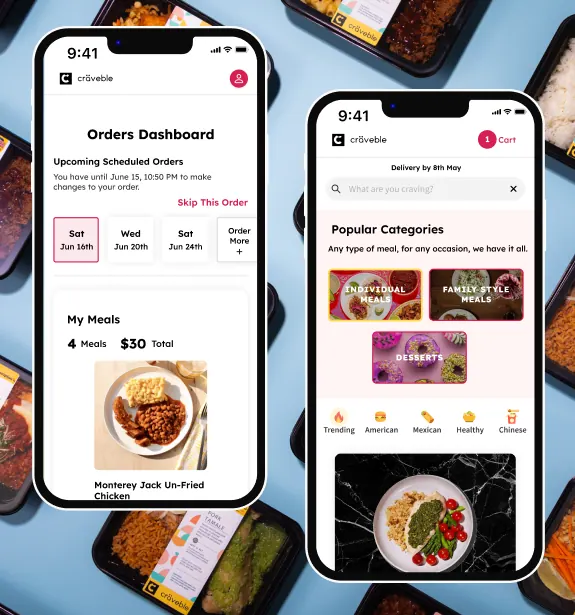
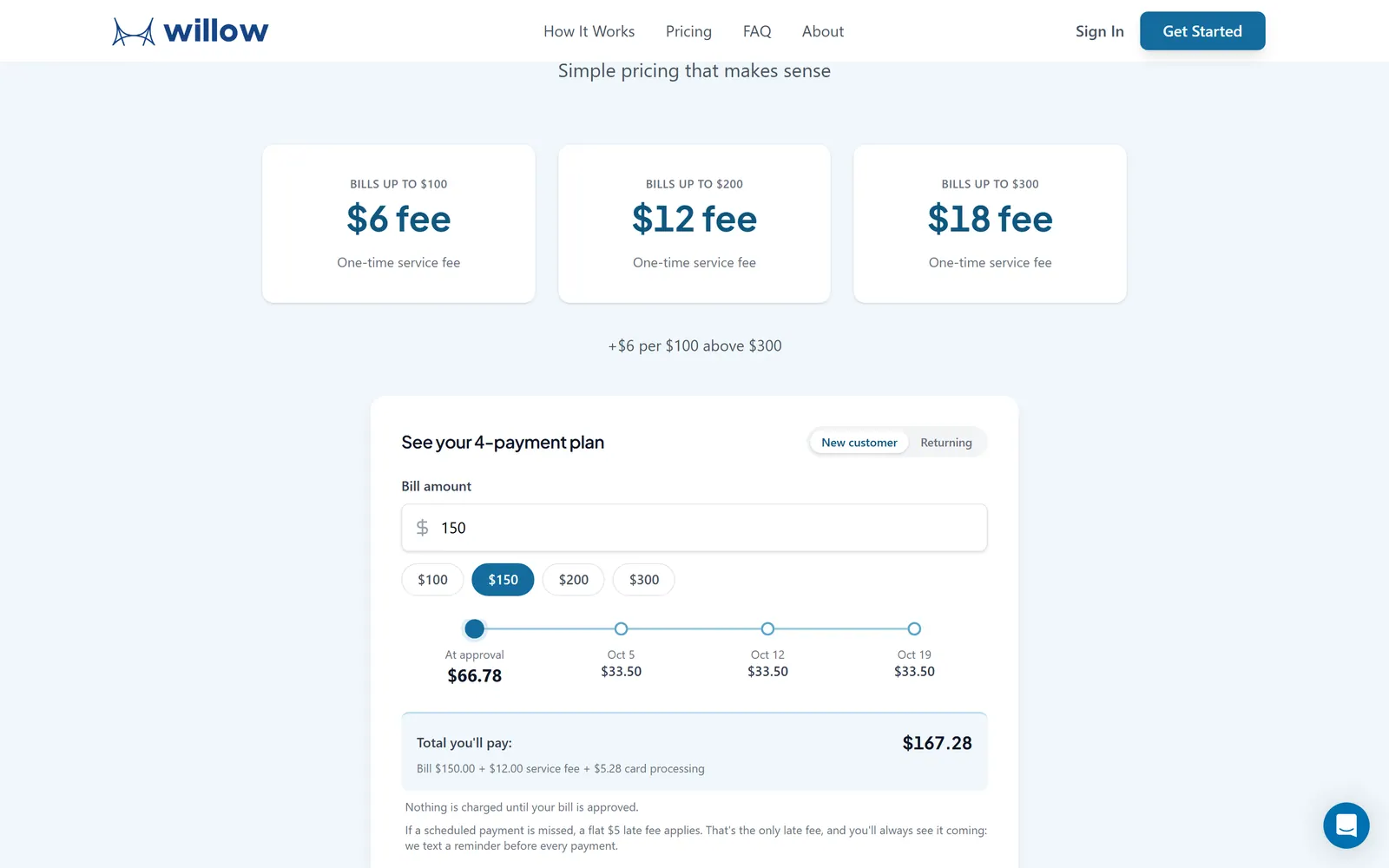
Meals shipped from a multi-tenant commerce platform. Bills paid on fintech rails. Photographs and captures of the work itself.


03 · How it runs
Nothing goes dark while it moves. Every module ships with a way back.
AI speeds up the drafting at every step; senior engineers make every call that is expensive to reverse. How we build →
We inventory the system as it really runs: modules, data, scheduled jobs, and the spreadsheets quietly standing in for software.
Out a written system map
Tenancy, roles and audit trails go in first, so growth never needs a rewrite. Every new table knows which organization it belongs to.
Out a multi-tenant foundation
Each module ships through merge gates and a no-traffic canary revision, with a rollback that names the exact revision to return to.
Out modules live, rollback ready
Feeds, payment rails and legacy systems, integrated with typed contracts and verified against staging. Writes stay off until someone turns them on.
Out integration tests on record
Document reading, classification and plain-English questions over your data, each behind a deterministic check in code.
Out guardrails with tests
Scheduled jobs keep running and permissions carry over intact. The old system retires only after the new one has taken its load.
Out legacy retired
04 · The ceiling, proven
Operations platforms, fintech rails and multi-tenant commerce we built. Every figure opens its receipt.
41
API modules in one operations platform, replacing four legacy apps
Retired along the way: ~349 legacy endpoints and ~130k lines of code across three stacks, none of it under CI.
SOURCE · Platform monorepo for a 12-rooftop auto group, plus the legacy-system inventory
METHOD · Module count from the API source tree; legacy figures from the pre-migration inventory.
VERIFIED · 2026-09
CLASS · repository
✓ every number on this site opens its receipt
CLAIM · platform-modules
How we countSince Aug 2021
a consumer bill-financing fintech in production on rails we engineer
Funded-bill history in the production database begins August 16, 2021.
SOURCE · Funded-bill records in a consumer-fintech client's production database
METHOD · Earliest funded-bill record in the system of record. This is a history claim, not an uptime claim.
VERIFIED · 2026-09
CLASS · platform account
✓ every number on this site opens its receipt
CLAIM · fintech-since
How we count2
paid risk vendors replaced by a first-party, explainable underwriting model
A calibrated LightGBM model trained on the lender’s own repayment outcomes, served with adverse-action reason codes.
SOURCE · Underwriting-model repository for a consumer-fintech client
METHOD · Model design documents and serving code; both third-party scores are blocked from training and serving by a guard in code.
VERIFIED · 2026-09
CLASS · repository
✓ every number on this site opens its receipt
CLAIM · vendor-replacement
How we count10 accounts · 9 entities
bank statements reconciled to the penny, every one checked against its printed totals
Beginning balance plus deposits, minus withdrawals, checks and fees, must equal the ending balance, or the statement is quarantined for review.
SOURCE · Finance pipeline repository for a 12-rooftop auto group
METHOD · Validation logic and database re-verification in the pipeline; failures are quarantined, never silently included.
VERIFIED · 2026-09
CLASS · repository
✓ every number on this site opens its receipt
CLAIM · penny-reconciliation
How we count41 API modules in one operations platform, replacing four legacy apps
18,576 SMS delivered in 30 days, at a 91.1% delivery rate
4 brand storefronts on one multi-tenant backend, plus the flagship store
05 · Straight answers
When the product has to hold other people’s money, many tenants’ data or a regulated workflow from day one. AI app builders are good at screens and weak at those foundations.
We will tell you in the review whether to extend what you have or start the platform properly, and why.
Yes. A boat-trip marketplace came to us as another vendor’s codebase, and for a 12-rooftop auto group we folded four separately deployed apps into one platform while the business kept running. The veterinary referral platform we operate began as a hand-off MVP whose README admitted it was incomplete.
Where it earns its keep: reading documents, classifying transactions, answering questions over data. Always behind rules in code. The LLM extracts and the server decides, data roles are read-only, sensitive actions leave an audit trail, and anything that touches money ships behind a kill-switch and penny-exact checks. Our Method page walks through real examples.
For some work, a lot. We publish one documented delivery velocity example on our homepage, with its receipts, and we don’t turn it into a blanket discount. The review ends with a written plan, with scope, timeline and an estimate, either way.
06 · The front door
Bring your prototype, or just the idea. Leave with a written gap map — deployment, security, payments, integrations, growth readiness — before you spend a dollar. If we’re not the right team to close the gaps, the map is still yours.
30 minutes. A written gap map. No pitch unless you ask for one.
info@synaptech.io Send us a message Pleasanton, CA