craveble.com
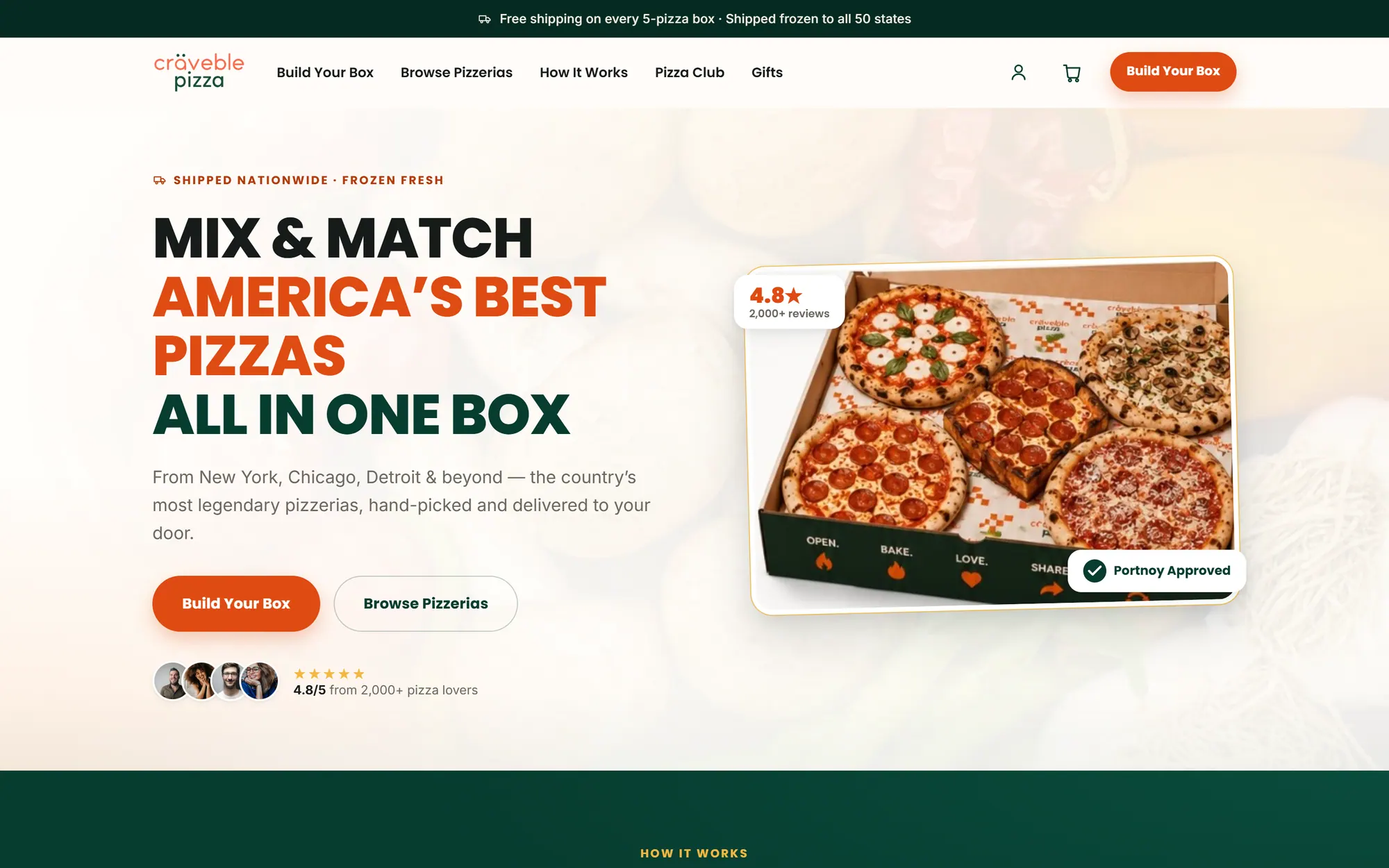
Food commerce and fulfillment
Four food brands, one backend, and books that classify themselves.
4 brand storefronts on one multi-tenant backend, plus the flagship store
Venture we co-operateCraveble
Read the case →Industries · Logistics
Our founder built the entire backend of a cross-border logistics company from scratch, so we build the whole chain: carrier rates, HS code classification, customs clearance, duties and landed cost, last-mile delivery, and tracking your customers can see.
30 minutes. A written gap map. No pitch unless you ask for one.
4
stores on one commerce platform, with books that close to the cent
SOURCE · Pour Path platform repositories
METHOD · Production stores provisioned in the platform’s control center.
VERIFIED · 2026-09
CLASS · repository
✓ every number on this site opens its receipt
CLAIM · pour-path-stores
How we countOrders from these stores ship through ShipStation and FedEx.

01 · What goes wrong
What delivery, 3PL and cross-border operators tell us when they call. Each one costs money every day it stays.
Rates come from one portal, labels from another, tracking from a third, and the status in your own system is whatever a person last typed. Volume grows faster than the person.
Tracking lives with the carrier, not with you. Support answers by pasting a tracking number into a carrier site, which the customer already did.
A missing commercial invoice, a wrong HS code or duties nobody quoted at checkout, and the parcel sits in customs while the customer asks for a refund.
Inventory in the warehouse, orders in the store and shipments at the 3PL are three different truths. Reconciling them is someone’s weekend.
Routes get planned on a whiteboard, drivers get addresses by text, and proof of delivery is whichever photo made it back. A route change never reaches the customer.
02 · What we build
Every leg of a cross-border shipment. Our founder built the cross-border backend from scratch for a logistics company we don’t name; the warehouse, 3PL and driver-app work comes from our own brands and clients. The gap map scopes each one to your lanes, carriers and systems.
01Rates
Carrier rates pulled for each lane, service and parcel, compared before booking, and the rate chosen recorded against the shipment, so what a parcel costs is known before the carrier’s invoice arrives.
02HS codes
Each product carries its HS code and the description customs expects, stored with the SKU and printed on every declaration, so no parcel is held for a missing or wrong code.
03Clearance
Declarations and commercial invoices generated from the order, clearance status tracked per shipment, and a hold raised to your team the moment customs flags it, not when the customer asks.
04Duties
Duties and taxes calculated from the HS code, origin and declared value, so the buyer sees the landed cost at checkout and nobody is surprised at the door.
05Last mile
The hand-off from the international leg to local delivery, the address checked before the label prints, and delivery status written back to the order, so the parcel is tracked to the door.
06Tracking
Pickup, export, customs, import and last mile on one timeline, fed by carrier webhooks and live location, shown to your customer and your support team, with an email or SMS at each hand-off.
07Labels
Labels on payment, tracking events written back to the order and shipping cost recorded per shipment, through FedEx, ShipStation or a carrier’s own API. Voided labels get caught, not found at month end.
08Warehouse
Orders pushed to the 3PL or warehouse system, inventory and shipment confirmations pulled back, and one reconciliation between store, warehouse and carrier. Built write-safe: calls that change data in another system are refused until someone turns them on.
Launch Engineering09Dispatch
Stops in order on the driver’s phone, live location back to a dispatch console over a socket, and delivery status written to the order, on the same foundations as our other mobile apps. iOS and Android through managed pipelines.
Mobile app developmentFedEx and ShipStation are the carriers our own brands ship through today. For you, we build to the carriers, brokers and systems your operation already runs on.
03 · Proof you can check
Our founder built a cross-border logistics company’s backend from scratch; we don’t name the company or publish its counts. Below it: the commerce rails our own brands ship through, an operations platform for an auto group we name only with its permission, and the delivery work our founder did at FoodJets. Every figure opens its receipt: where it came from, how it was counted, and when we last checked.
~25
institutional ordering portals on one meal-prep storefront
Police departments, correctional facilities, a police academy, plus school and senior meal stores.
SOURCE · CleanEats site repository
METHOD · Dedicated institutional ordering pages in the site build.
VERIFIED · 2026-09
CLASS · repository
✓ every number on this site opens its receipt
CLAIM · institutional-portals
How we count116
operations in a dealer-management SOAP integration, write-safe by construction
State-changing operations are refused by default and need explicit opt-in, and tests prove it.
SOURCE · Integration client repository for a 12-rooftop auto group
METHOD · Operation registry generated from the vendor’s WSDLs across six services; read operations verified live against staging.
VERIFIED · 2026-09
CLASS · repository
✓ every number on this site opens its receipt
CLAIM · soap-operations
How we countBeverage alcohol commerce · Pour Path
Multi-tenant storefronts on one backend, with Square payments, ShipStation and FedEx logistics, Klaviyo and SendGrid email, and double-entry books that reconcile stores, payouts and bank statements to the cent. An AI data API answers questions about any order through a Postgres role that physically cannot write.
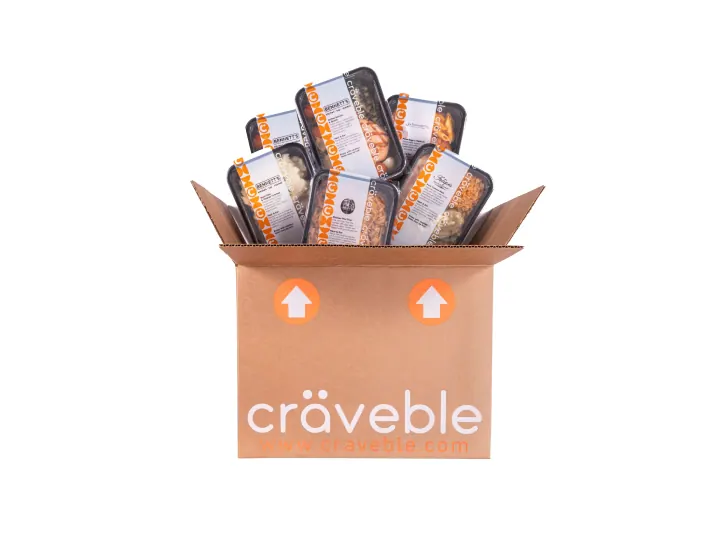
Food fulfillment (3PL) · Craveble
When Craveble opened a fulfillment service for other food brands, we shipped its SEO-structured lead-generation site with leads routed to both founders. Its Amazon FBA prep page began as a scaffold in Bolt.new, an AI app builder, before our engineers took it to Cloud Run.
Meal prep and delivery · CleanEats
A Bay Area meal-prep company’s ordering operation: consumer plans, catering and gift cards, ZIP-gated delivery routing and a live macro calculator, plus dedicated ordering portals for police departments, correctional facilities, schools and senior meals.
Boat-trip marketplace · MyBoat2
We inherited another vendor’s codebase for a boat-trip marketplace: captain verification and earnings, real-time trip tracking over Socket.io, Stripe trip payments, and an operations console for trips, captains, passengers and piers.
04 · In their words
Names and titles attached. When someone also has a business tie to our founder, it is disclosed under the quote.
The logistics software Synaptech developed has improved our delivery operations. We’ve seen better route optimization and our drivers appreciate the user-friendly interface. Solid technical team to work with.
Synaptech built a solid food delivery app that works well for our business. The ordering system is straightforward and our customers find it easy to use. Good communication throughout the project.
05 · How it starts
Each step lands on the one before it. You see the plan before we start, and every integration in staging before it touches a live order.
Every line of code we ship runs on one rule: AI drafts, senior engineers decide. How we build →
Bring the platform you run, the prototype you started, or just the carriers and 3PLs you need to talk to. We walk it together, then hand you a written gap map across hosting, security, carrier and warehouse integrations, tracking, customs and the driver app.
Out a written gap map, yours to keep
If there is a fit, you get a fixed price and a written plan: what we keep, what we rebuild, and why. If there isn’t a fit, we say so.
Out fixed price + written plan
Carrier, 3PL and warehouse integrations go in write-safe, with tests on every path that prints a label, moves inventory or charges a card. Shipping cost lands on the order the day it ships.
Out integrations under test
Tracking events written to the order and shown to the customer, then the dispatch console and the driver app, sent to App Store and Play Store review through managed pipelines.
Out drivers and customers see one status
HS codes on the catalog, rates for each lane, declarations and commercial invoices generated per order, duties and landed cost at checkout, and clearance tracked, all tested against real orders in staging before the first international label prints.
Out customs paperwork generated per order
A monitored cutover with a rollback path. After that, the Growth Engine when there is demand to capture, or Product Engineering when the operation outgrows the first release.
Out live platform, monitored
06 · Straight answers
Our founder built the entire backend of a cross-border logistics company from scratch: rates, HS codes, customs clearance, duties, last mile and tracking. We don’t name that company. He was also CTO of FoodJets, the Sacramento delivery app that became Raley’s delivery partner, and its grocery-delivery business was later bought by Apium Logistics, a company backed by the family that owns Raley’s. Today our own brands ship through FedEx and ShipStation on rails we built.
We publish nothing we cannot put a receipt on, so the shipment counts from that work are not on this page. The figures that are here open their receipts.
Our own brands ship through FedEx and ShipStation today, and ShipStation connects to many parcel carriers behind one API. Beyond that we integrate whatever your operation already runs on: a carrier’s direct API, a 3PL’s order feed, a warehouse system, or a vendor API from another decade.
Where an integration can change data in another system, it is built write-safe: state-changing calls are refused until someone explicitly turns them on.
Cross-border logistics software carries a shipment through every leg: a rate quoted for the lane, each product classified to its HS code, a declaration and commercial invoice generated from the order, duties and taxes shown as landed cost at checkout, clearance tracked until customs releases the parcel, and the hand-off to last-mile delivery tracked to the door. Our founder built all of it from scratch for a cross-border logistics company.
Each lane has its own rules, so the gap map starts with the lanes you ship, not a generic checklist, and the paperwork is tested against real orders in staging before the first international label prints.
Yes. Dispatch and driver apps are mobile app development on the same foundations: stops in order on the driver’s phone, live location back to dispatch, delivery status written to the order, and iOS and Android builds through managed pipelines to App Store and Play Store review. The fleet and the routes you run set the scope, in the gap map.
Usually. We took over another vendor’s codebase for a boat-trip marketplace with real-time trip tracking, and replaced a dealer group’s legacy apps with one operations platform. The review tells you what to keep, what to rebuild, and why, before a line changes.
No. The review starts with the lanes you ship, the carriers and 3PLs you already use and the systems that have to agree, and most of it is a walkthrough. Sandbox credentials come later, when the integrations go into staging, and nothing touches a live label until the tests pass.
07 · The front door
Bring the platform, the prototype or just the carriers and lanes you need. Leave with a written gap map across hosting, integrations, tracking, customs and the driver app, before you spend a dollar. If we’re not the right team to close the gaps, the map is still yours.
30 minutes. A written gap map. No pitch unless you ask for one.
info@synaptech.io +1 (925) 255-9507 Pleasanton, CA