The number
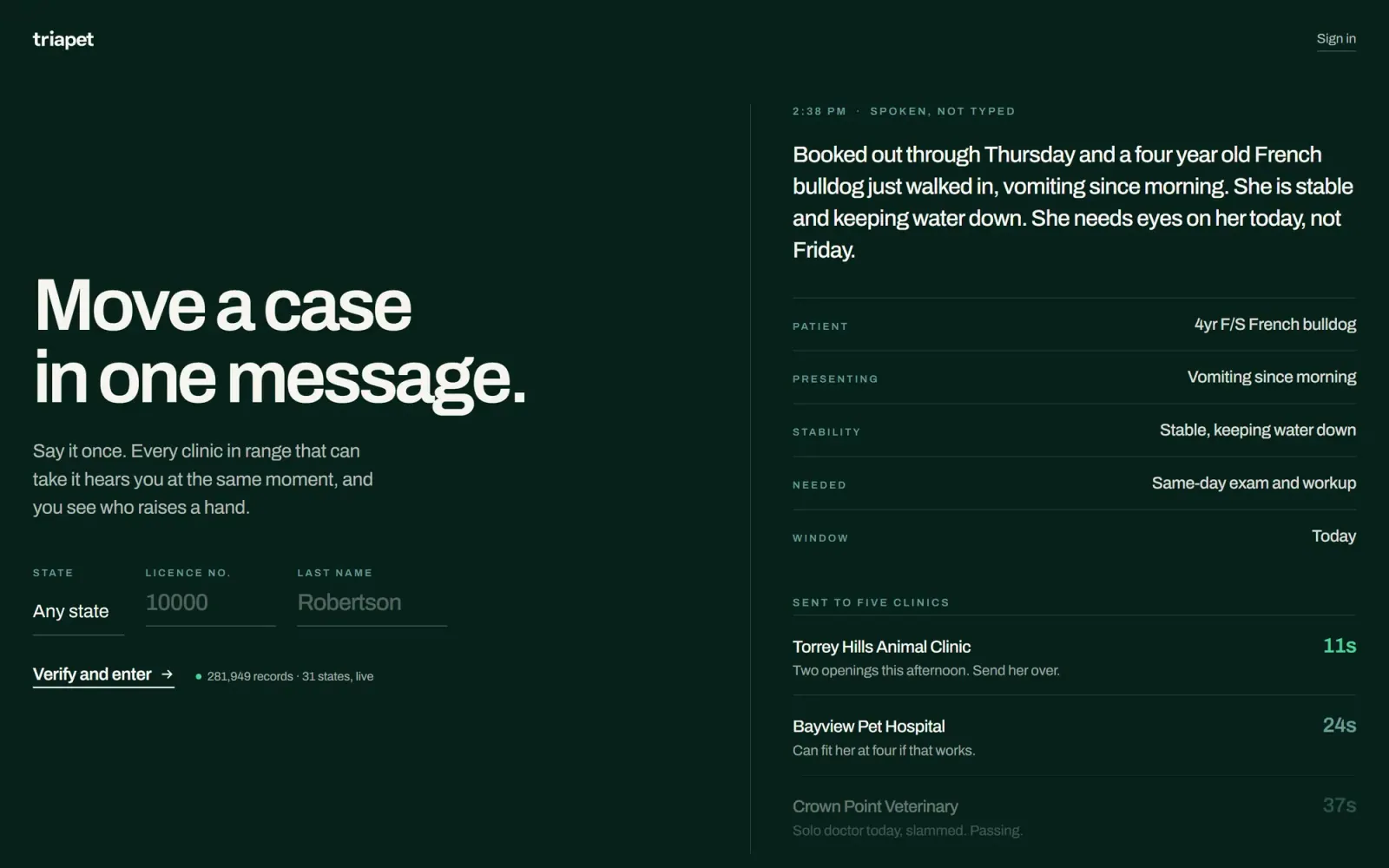
281,949 veterinary board records across 30 states and DC behind the clinician verification gate
v0 · to production
Taking a v0 app to production is a different job from building the prototype. A v0 build gets you polished React screens fast, and that is usually where it stops: the backend, the data model and the parts real users lean on are still to be built. If you are looking to hire a v0 developer who finishes what the builder started, this is what that looks like: senior engineers keep what you validated, add sign-in, payments, a data model and deploys that hold, and ship it to real users.
30 minutes. A written gap map. No pitch unless you ask for one.
Synaptech is an independent studio and is not affiliated with Vercel or v0.
6
of our repos started as scaffolds in Bolt.new, an AI app builder, before our engineers took over
SOURCE · Synaptech portfolio repositories
METHOD · .bolt project directories found during the September 2026 portfolio audit, counted conservatively: four web front-ends and two product prototypes. More of our repositories carry .bolt folders and are not counted here.
VERIFIED · 2026-09
CLASS · repository
✓ every number on this site opens its receipt
CLAIM · bolt-scaffolds
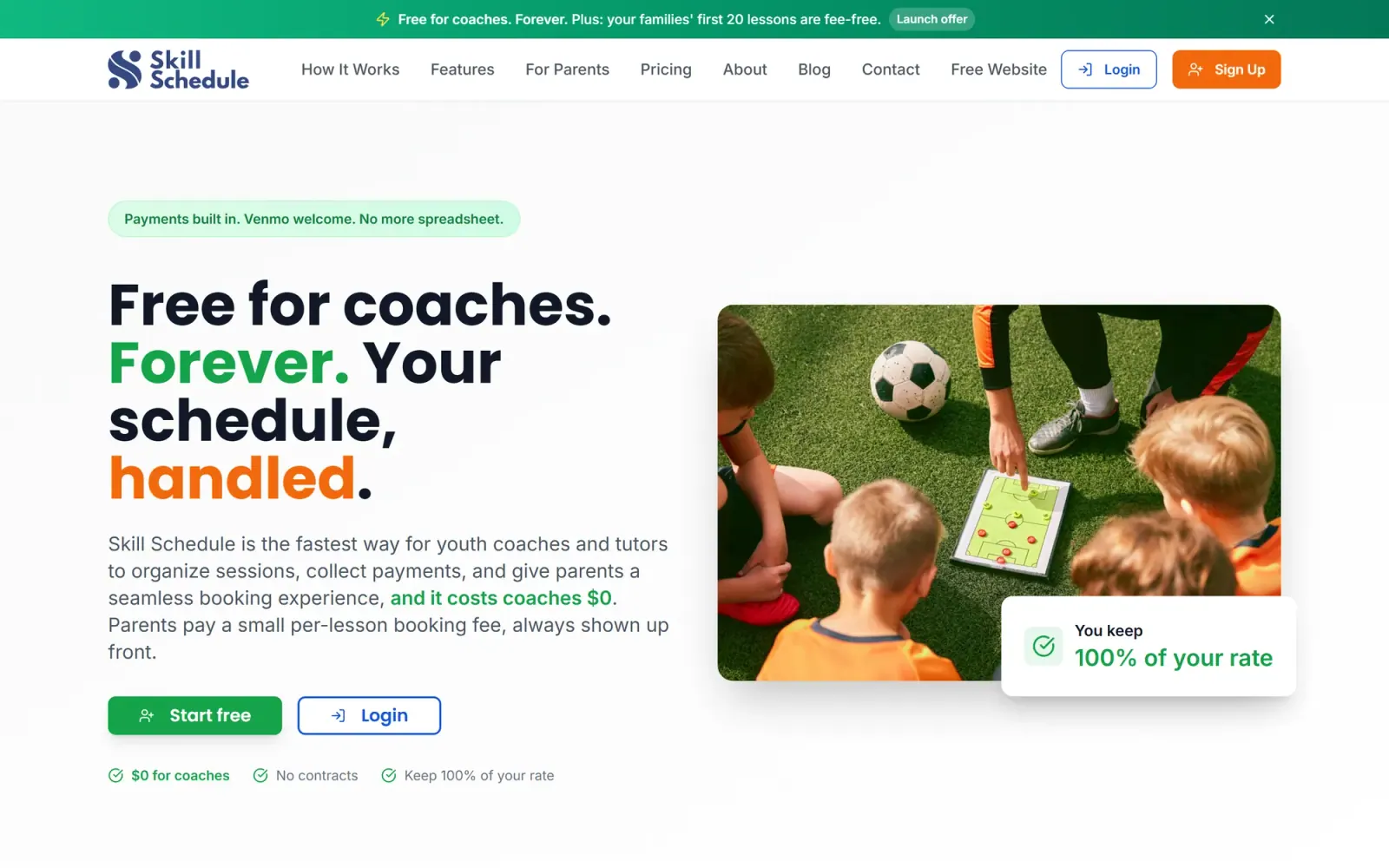
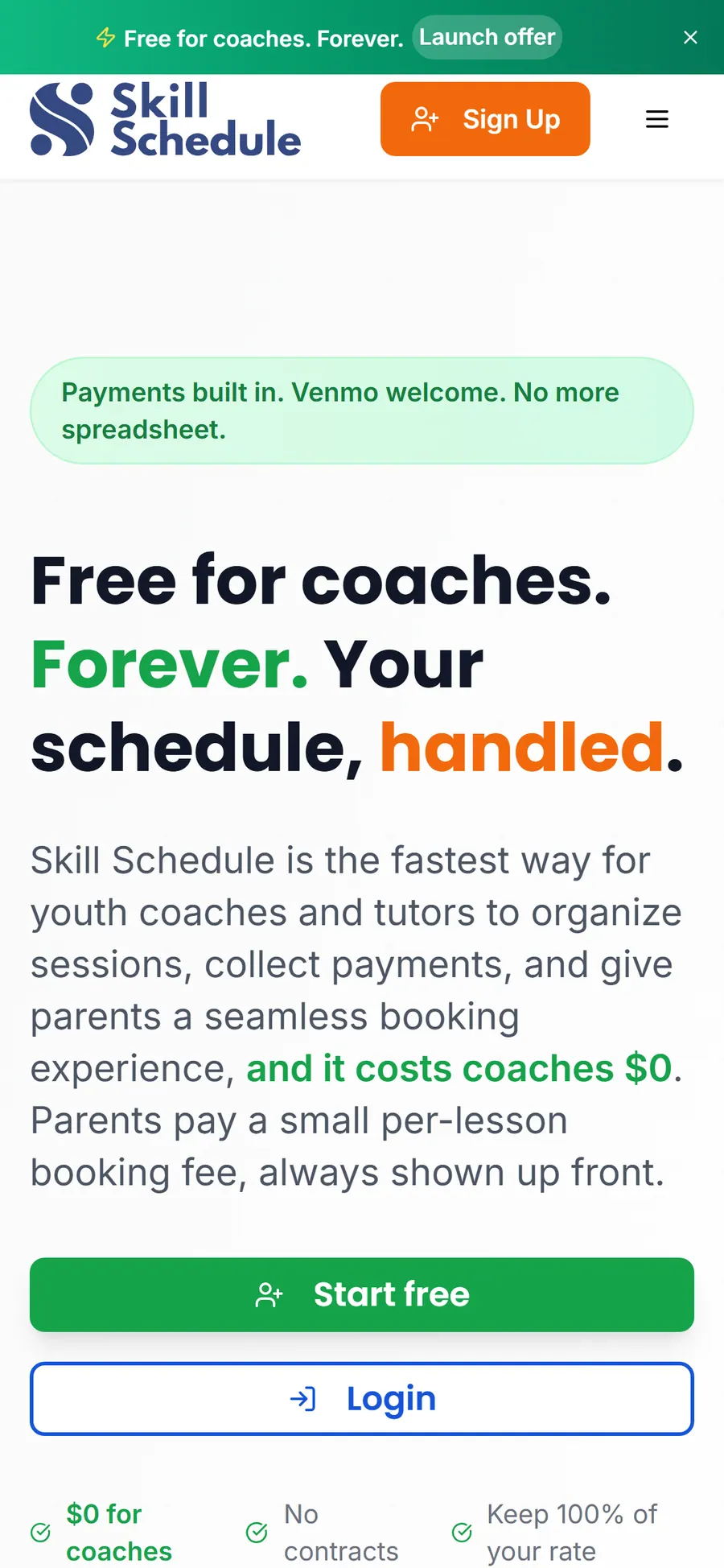
How we countCounted across Synaptech’s own repositories. The product pictured is a client’s, built on the foundations a v0 prototype is missing.
01 · What breaks
What founders bring us after a v0 build, in their words. These are not v0’s faults; they are the parts of a product no builder can finish for you.
The prototype has a login, but every signed-in user can read every row. Roles, ownership checks and sessions that expire are the first thing real users need and the last thing a demo shows.
A payment button is not a billing system. Refunds, disputes, failed cards, tax and the webhook that marks an order paid when the browser has already closed all have to be right, every time.
Tables named after screens, no constraints, and relationships the app enforces only in the UI. It holds for one user and comes apart when two edit the same record.
No environments, no migrations, no rollback. A change that breaks production has to be fixed in production, and the only backup is whatever the builder keeps.
API keys pasted into front-end code, no rate limits, no audit trail, and an admin page anyone can guess the URL to. It is fine for a demo and not fine with strangers’ data.
A prototype that wraps a web view, has no privacy labels and no reviewer account comes back from App Store or Play Store review. The fix is usually in the backend, not the screens.
02 · What we do
The v0 build is the spec. We read it, decide with you what survives, and put real foundations under it.
01Review
We walk the app with you and write down what works, what is wired to nothing, and what production demands: sign-in, data, payments, deploys, security, stores. The map is yours either way.
The Production Gap Review02Auth
Sessions that expire, roles enforced on the server, ownership checks on every query, and Apple or Google sign-in where the product needs it.
03Payments
Stripe with refunds, disputes and tax handled, webhooks that are idempotent, and receipts that state exactly what the card was charged.
04Data
The schema the product actually needs, enforced in the database, with migrations you can run forward and back and a backup you have seen restored.
05Deploys
A repository you own, a build pipeline, staging and production, error reporting, and a rollback that takes minutes instead of a rebuild.
Launch Engineering06Mobile
When the product needs an app, a real iOS and Android build on managed pipelines with privacy labels, a reviewer account and the listing prepared.
Mobile app developmentWe never rebuild a v0 app from scratch to suit ourselves. The written plan says exactly which parts we keep and which we replace, and why.
03 · Proof you can check
Several of our own repositories began as scaffolds in an AI app builder, so we know where the line is from the inside. A stalled hand-off MVP we rebuilt and now operate, and a client platform built on the foundations a prototype is missing. Every figure opens its receipt.
6
of our repos started as scaffolds in Bolt.new, an AI app builder, before our engineers took over
Four web front-ends and two product prototypes. We start where many founders start.
SOURCE · Synaptech portfolio repositories
METHOD · .bolt project directories found during the September 2026 portfolio audit, counted conservatively: four web front-ends and two product prototypes. More of our repositories carry .bolt folders and are not counted here.
VERIFIED · 2026-09
CLASS · repository
✓ every number on this site opens its receipt
CLAIM · bolt-scaffolds
How we count281,949 veterinary board records across 30 states and DC behind the clinician verification gate
v1.0.4 SkillSchedule’s iOS and Android app, built on Expo alongside the web portals
04 · In their words
Names and titles attached. When someone also has a business tie to our founder, it is disclosed under the quote.
Synaptech built a solid food delivery app that works well for our business. The ordering system is straightforward and our customers find it easy to use. Good communication throughout the project.
Synaptech developed a project management system that helps us track our civil engineering projects more efficiently. The reporting features are useful and the interface is clean. They delivered on time and stayed within budget.
05 · How it starts
The same order every time, because each step protects the next. You see the plan before we start and the product on a real URL before it goes to users.
Every line of code we ship runs on one rule: AI drafts, senior engineers decide. How we build →
Share the v0 project or a link to the running prototype. We walk it together, then hand you a written gap map across sign-in, data, payments, deploys, security and store readiness.
Out a written gap map, yours to keep
If there is a fit, you get a written plan with the scope, a timeline and an estimate: what we keep, what we rebuild, and why. If there is not a fit, we say so.
Out scope, timeline and an estimate, in writing
A repository you own, the data model with migrations, sign-in and roles, and hosting with staging, production and rollback, before any screen gets its polish.
Out your repo, your hosting, roles under test
Stripe with refunds and disputes, idempotent webhooks, email and SMS, and every third-party key moved out of the client, with tests on every path that moves money.
Out money paths under test
Error reporting, a tracking plan, store submission when there is an app, and a first report on what users actually do, so the next step is a decision rather than a guess.
Out live, monitored, measured
06 · Straight answers
Usually, yes. A v0 app typically arrives as a strong front end with little or no backend behind it, so the screens survive and the system underneath gets built. The review maps which parts survive as they are, which get rebuilt behind the same screens, and which are missing entirely. We keep what you validated and replace only what production demands, and the written plan says which is which before anything changes.
The builder is good at the part it does: screens, flows, a first version of the logic. Sign-in you would trust with a stranger’s data, payments that survive refunds, a data model with constraints, deploys with rollback and store review are a different job. A v0 developer who has done that job finishes the product; more prompting mostly produces more screens.
Yes. The first thing we set up is a repository you own, with the build pipeline and hosting in your own accounts. If we part ways, everything keeps running without us and the next team has a codebase, not a dependency on a studio.
The review is free and ends with a written plan that carries the scope, a timeline and an estimate for your app, not a package. We do not publish prices because no two prototypes are missing the same things. You see the plan before you commit to anything.
If the product needs one, yes. We build iOS and Android apps on Expo that share one API with the web, and we handle App Store and Play Store submission with the privacy labels, reviewer account and listing prepared. A web view wrapped in an app usually does not pass review, so the plan says what a real app needs.
Across the build, under one rule: AI drafts, senior engineers decide. Several of our own repositories started as scaffolds in an AI app builder, so we are not snobbish about where a product begins. A senior engineer reviews and owns everything that ships.
07 · The front door
Share the project or just the link. Leave with a written gap map across sign-in, data, payments, deploys, security and store readiness, before you spend a dollar. If we’re not the right team to close the gaps, the map is still yours.
30 minutes. A written gap map. No pitch unless you ask for one.