The number
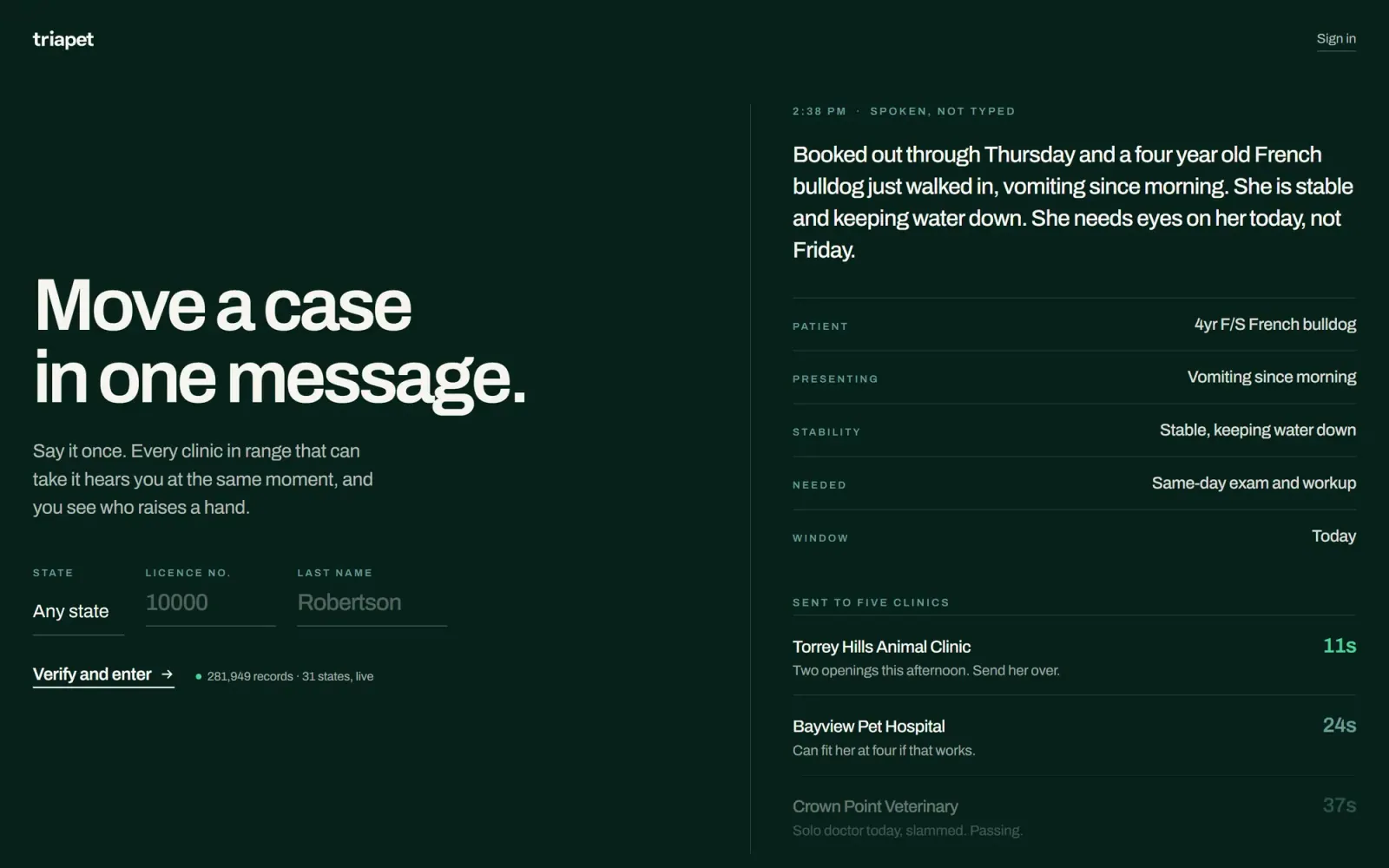
281,949 veterinary board records across 30 states and DC behind the clinician verification gate
Finish my app
The developer stopped answering, the agency ran out of runway, or the app got to the hard part and stalled. “Finish my app” is a job we know: recover the code and the accounts, read what is there, keep what works, and build the rest to a standard real users can lean on.
30 minutes. A written gap map. No pitch unless you ask for one.
v1.0.4
SkillSchedule’s iOS and Android app, built on Expo alongside the web portals
SOURCE · SkillSchedule mobile repository (app version and EAS build configuration)
METHOD · Version string from the app’s production build configuration.
VERIFIED · 2026-09
CLASS · repository
✓ every number on this site opens its receipt
CLAIM · app-store-live
How we countA client’s app we built from the start; the product pictured is a hand-off MVP we rebuilt and now operate.
01 · What goes wrong
What founders tell us when they arrive with someone else’s work. One of these is enough to start the review.
A freelancer took another job, or the agency quietly wound down. The last build is whatever is on the server, and nobody can say what state the code is in.
The repository, the hosting account, the domain, the app store listing and the API keys are spread across other people’s logins. Finishing the app starts with getting it back.
The screens exist. Behind some of them is a working backend; behind others, a placeholder. Nobody wrote down which is which, so every estimate to finish is a guess.
A rewrite is the easy pitch because reading someone else’s code is work. It also throws away the decisions you already validated with users, and restarts the clock.
Without a written assessment of what exists, “almost done” never arrives. The next team needs to know what it is finishing before it can say when.
02 · What we do
The order matters: nothing gets rebuilt before it has been read, and nothing gets read before you own it again.
01Recovery
The repository, hosting, domain, app store accounts, signing certificates and third-party keys moved into accounts you own, with the old access revoked.
02Assessment
What works, what is wired to nothing, what is unsafe, and what production demands. Written down, with the reasoning, so the plan to finish rests on facts.
The Production Gap Review03Keep or rebuild
We keep the product decisions you validated and replace only what cannot hold up. The written plan says which parts, and why, before a line changes.
04Finish
Sign-in and roles enforced on the server, payments with refunds and webhooks handled, the data model with constraints and migrations, and tests on every path that moves money.
Launch Engineering05Hosting
A build pipeline into your own cloud account, error reporting, backups you have seen restored, and a rollback that takes minutes.
06Mobile
When the half-built app is a mobile app, we recover the signing keys and store accounts, finish the build on managed pipelines, and handle submission.
Mobile app developmentIf the honest answer is that a rewrite is cheaper than a rescue, the assessment says so, with the reasoning. You decide with the facts in front of you.
03 · Proof you can check
A marketplace inherited from another vendor, a hand-off MVP we rebuilt and now operate, and a client platform we built from the start, with the app built for App Store and Play Store review. Every figure opens its receipt.
v1.0.4
SkillSchedule’s iOS and Android app, built on Expo alongside the web portals
Expo / React Native with Stripe billing and refund splitting, sharing one API with the parent, coach and admin portals.
SOURCE · SkillSchedule mobile repository (app version and EAS build configuration)
METHOD · Version string from the app’s production build configuration.
VERIFIED · 2026-09
CLASS · repository
✓ every number on this site opens its receipt
CLAIM · app-store-live
How we count281,949 veterinary board records across 30 states and DC behind the clinician verification gate
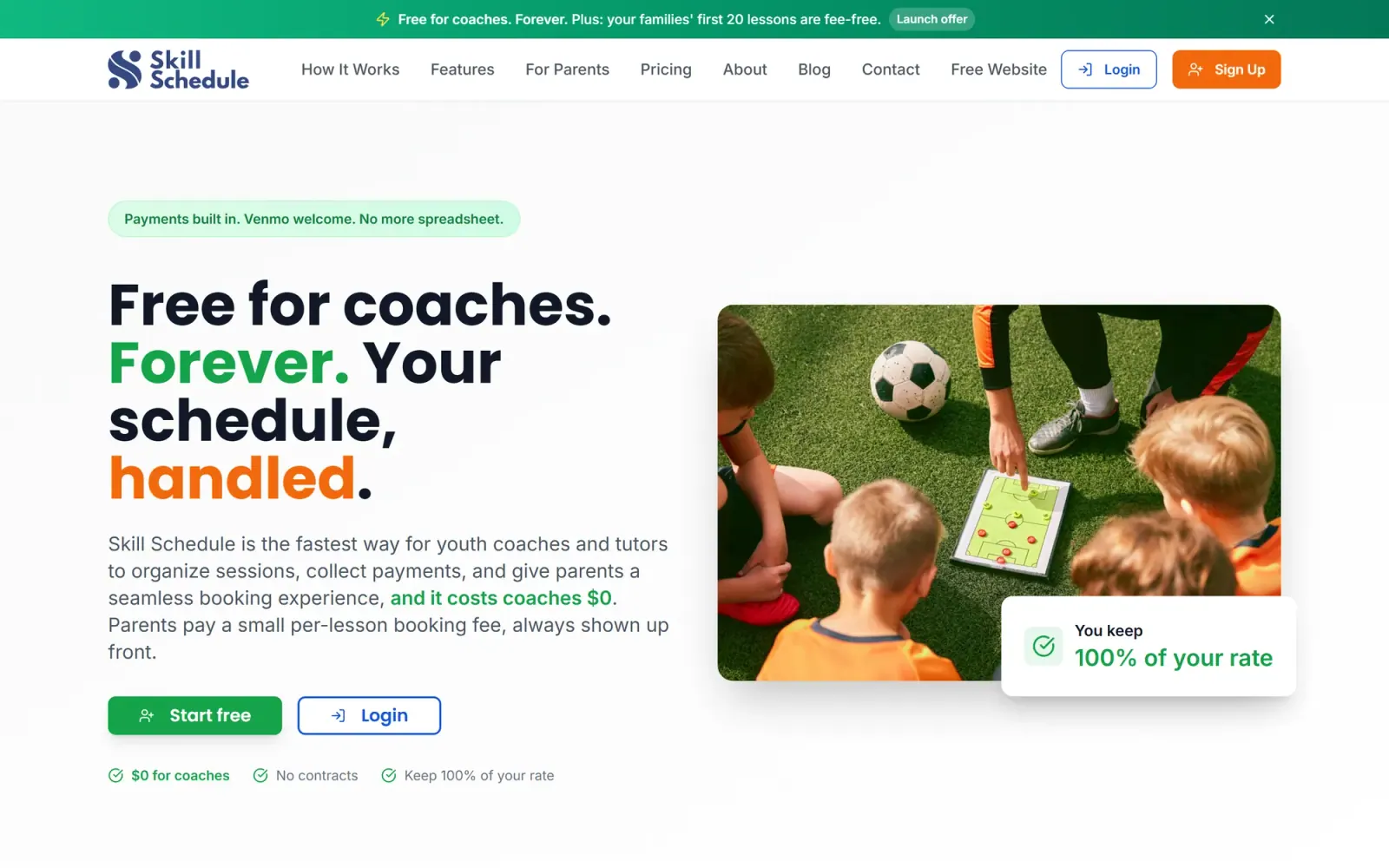
v1.0.4 SkillSchedule’s iOS and Android app, built on Expo alongside the web portals
Boat-trip marketplace · MyBoat2
We inherited another vendor’s codebase for a boat-trip marketplace: captain verification and earnings, real-time trip tracking over Socket.io, Stripe trip payments, and an operations console for trips, captains, passengers and piers.
04 · In their words
Names and titles attached. When someone also has a business tie to our founder, it is disclosed under the quote.
Synaptech developed a project management system that helps us track our civil engineering projects more efficiently. The reporting features are useful and the interface is clean. They delivered on time and stayed within budget.
Synaptech built a solid food delivery app that works well for our business. The ordering system is straightforward and our customers find it easy to use. Good communication throughout the project.
05 · How it starts
You see the written assessment and the plan before anything is rebuilt, and the product on a real URL before it goes to users.
Every line of code we ship runs on one rule: AI drafts, senior engineers decide. How we build →
Bring whatever you have: a repository, a login, a running URL, or a folder from the last developer. We walk it together, then hand you a written gap map of what exists and what production demands.
Out a written gap map, yours to keep
The code, hosting, domain, store accounts and keys moved into accounts you own, with the previous access revoked, so the project cannot stall the same way twice.
Out everything in your name
If there is a fit, you get a written plan with the scope, a timeline and an estimate: what we keep, what we rebuild, and why. If there is not a fit, we say so.
Out scope, timeline and an estimate, in writing
Sign-in and roles, the data model with migrations, payments with refunds and webhooks, and hosting with staging and rollback, before the remaining screens get their polish.
Out foundations under test
Error reporting, a tracking plan, store submission when there is an app, and a first report on what users actually do, so the next step is a decision rather than a guess.
Out live, monitored, measured
06 · Straight answers
Yes. We start by recovering the project: the repository, the hosting, the store accounts and the keys. Then the review maps what works, what is wired to nothing and what production demands. The plan keeps what you validated and rebuilds only the rest.
We took over a boat-trip marketplace from another vendor and rebuilt a hand-off MVP whose README admitted it was not done. Both are on this page.
That is the first thing we work on, and it is often simpler than it feels. Most hosting, domain and store providers have a path to recover an account the business paid for, and a running app can be read even when the repository is missing. The assessment says what we recovered and what, if anything, has to be rebuilt from the running system.
Only if the written assessment shows a rewrite is cheaper than a rescue, and then we show the reasoning. Reading someone else’s code is work, and a rewrite is the easy pitch. Our default is to keep the decisions you already validated with users and replace only what cannot hold up.
The review is free and ends with a written plan that carries the scope, a timeline and an estimate for your app. We do not publish prices because no two half-built apps are missing the same things, and an estimate made before reading the code is the moving target you came here to escape.
Yes. Everything lives in accounts you own from the first week: the repository, the hosting, the domain and the keys. If we part ways, the app keeps running without us and the next team inherits a documented codebase.
Either. For a mobile app the recovery includes signing certificates and store accounts, and the finish includes the build pipelines and App Store and Play Store review. For a web app it is the hosting, the domain and the deploy pipeline. Both of the products we took over on this page are web and mobile on one API.
07 · The front door
Bring the repository, a login or just the URL. Leave with a written gap map of what exists, what is missing and what production demands, before you spend a dollar. If we’re not the right team to finish it, the map is still yours.
30 minutes. A written gap map. No pitch unless you ask for one.