The number
4 brand storefronts on one multi-tenant backend, plus the flagship store
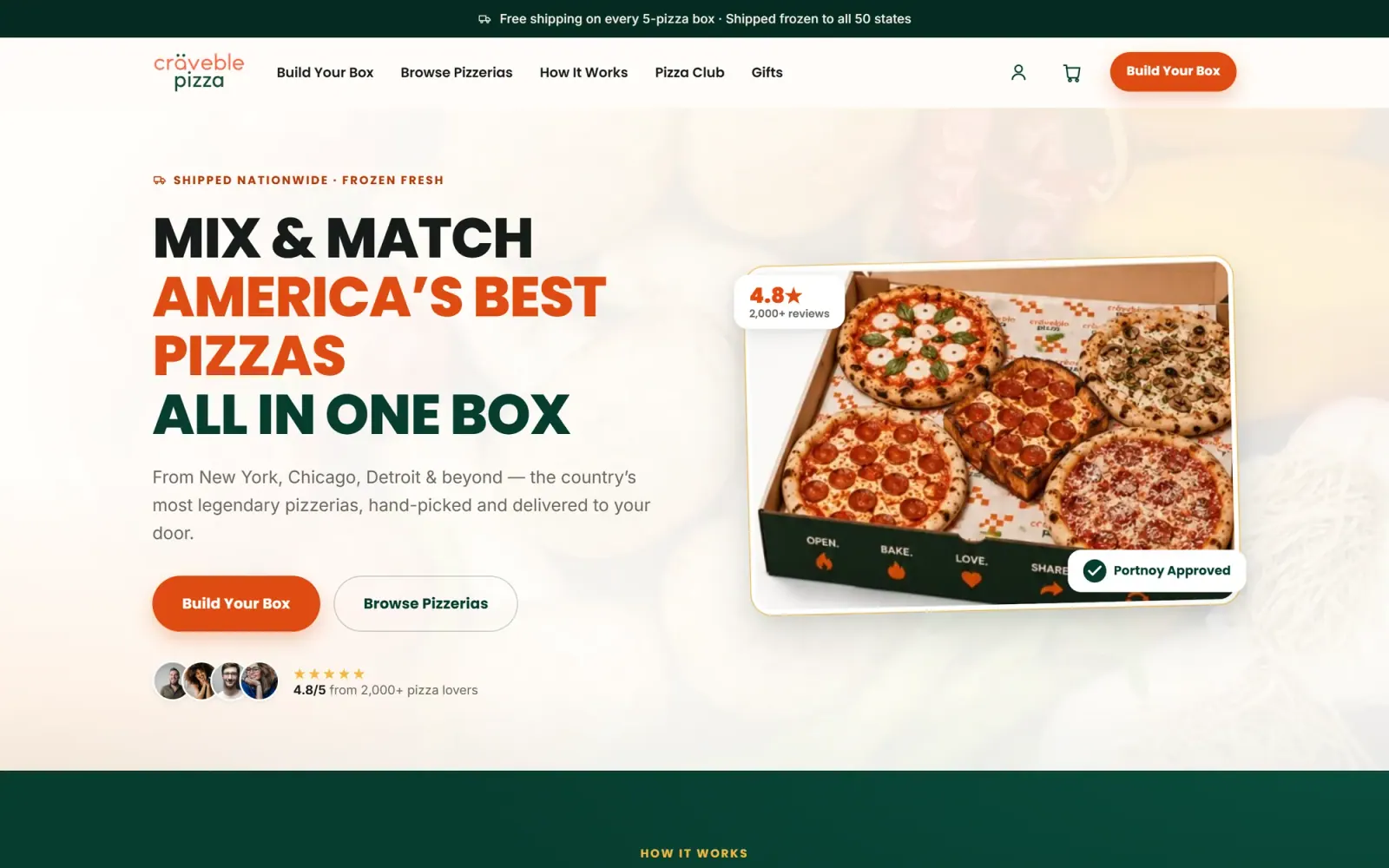
Industries · Ecommerce
Ecommerce development, for us, is the store and the backend behind it: several brands on one platform, payments that survive refunds and disputes, shipping, tax and email. Then we make the paid traffic and the tracking count, so you judge ads on the orders your store recorded.
30 minutes. A written gap map. No pitch unless you ask for one.
4
brand storefronts on one multi-tenant backend, plus the flagship store
SOURCE · Craveble platform monorepo
METHOD · Storefront apps deployed against the shared API.
VERIFIED · 2026-09
CLASS · repository
✓ every number on this site opens its receipt
CLAIM · storefronts
How we count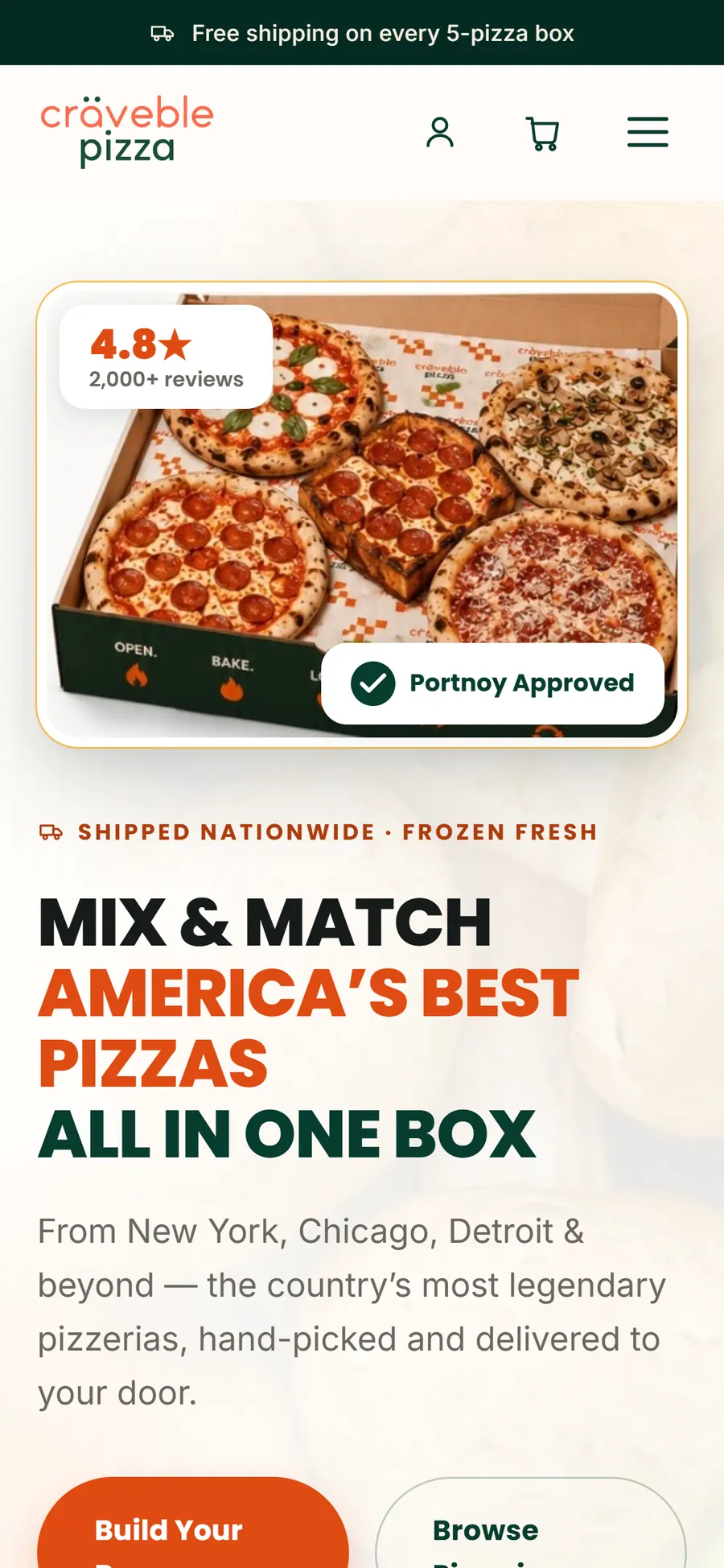
01 · What goes wrong
The problems ecommerce founders bring us, in their words. One is enough to start asking questions.
A second brand means a second theme, a second checkout and a second set of bugs. Add a brand and every fix ships again.
A demo checkout takes a card. A real store takes returns, partial refunds, chargebacks and sales tax that changes by product and by state.
Orders wait for a person to print labels, update status and chase voided shipments. The store grows faster than the person.
Google counts a video view as a purchase. Meta counts the same order. Your store saw one sale, and nobody can say which spend paid for it.
The distributor list is stale, the store locator points at shops that stopped stocking you, and search sends people to the wrong page.
02 · What we build
Both halves in one place, because attribution dies in the gap between the people who build the store and the people who buy the traffic.
01Storefronts
Custom React and Next.js storefronts, or a Shopify theme tuned for subscriptions, memberships and wholesale. Each with its own sender identity, sitemap and structured data.
02Backend
Multi-tenant commerce isolated by Postgres row-level security, so a new store is a provisioning script, not a new codebase. Checkout rules, option-level inventory and coupons per store.
Product Engineering03Payments
Stripe or Square with webhooks, partial refunds, chargebacks and sales tax by product and state. Books that reconcile stores, payouts and bank statements to the cent.
04Operations
ShipStation and carrier webhooks move each order through fulfillment, catch voided shipments and record shipping cost per order. Transactional email goes out from each brand’s own sender.
05Tracking
One purchase conversion, GA4 and the tag container rebuilt, click IDs carried from the ad through to checkout, and platform numbers reconciled against the orders your store recorded.
06Traffic
Ad accounts audited line by line, landing pages written for the shopper the ad targets, and store locators and per-state pages generated from your own distribution data.
The Growth Engine03 · Shopify, headless or custom
The platform follows the business, not the other way around. What we have built on each, and the shape of store each one suits.
01Shopify
A single brand with subscriptions, memberships or wholesale usually belongs on Shopify: a theme tuned for the brand, Klaviyo for email and SMS, reviews and preorders, and a campaign landing page with a trackable offer code. We built a subscription-ready Shopify storefront that way for a diabetic-friendly cookie brand.
02Headless
A React or Next.js storefront on a commerce API fits when the pages have to do what a theme can’t: content-heavy product pages, locators and per-state pages built from your own data, or several brands sharing one catalog. Craveble’s brand storefronts were React apps on one API, with the flagship and admin on Next.js, so a new brand shipped without a new codebase.
03Custom
Several brands under one roof, or money paths a platform won’t bend to (partial refunds, tax by product and state, double-entry books), call for a custom multi-tenant backend: each store’s data isolated by Postgres row-level security, a new store from one provisioning script. Pour Path, our own product, runs its alcohol brands this way, and Craveble’s brands and flagship store run on the same pattern.
No platform partnership shapes the recommendation. The gap map says which fits your store and why, before a line changes.
04 · Proof you can check
Our own brands run on these rails and are labeled as ours. The paid-traffic figures come from the audit and measurement work for a DTC pet-food brand we name only with its permission. Every figure opens its receipt: where it came from, how it was counted, and when we last checked.
4
stores on one commerce platform, with books that close to the cent
Square payments, ShipStation and FedEx logistics, Klaviyo and SendGrid email, double-entry accounting.
SOURCE · Pour Path platform repositories
METHOD · Production stores provisioned in the platform’s control center.
VERIFIED · 2026-09
CLASS · repository
✓ every number on this site opens its receipt
CLAIM · pour-path-stores
How we count4 → 1
actions Google Ads was counting as a sale, cut to the one real store purchase
Two were video-engagement actions and one was a duplicate purchase tag that could never fire.
SOURCE · Google Ads conversion settings for a DTC pet-food brand, before and after (account change log)
METHOD · Primary conversion actions in the account before and after the change, confirmed by re-reading the account’s conversion settings.
VERIFIED · 2026-09
CLASS · platform account
✓ every number on this site opens its receipt
CLAIM · conversion-actions
How we count$1,094
a month of ad spend leaking, found in a line-by-line account audit
A Demand Gen campaign was buying orders at $206 CPA against a $35 target.
SOURCE · Google Ads account data for a DTC pet-food brand, delivered as a written audit
METHOD · Campaign-level cost against real purchase conversions over a 30-day window, as reported in the written account audit.
VERIFIED · 2026-09
CLASS · platform account
✓ every number on this site opens its receipt
CLAIM · spend-leak
How we count6.7% vs 1.7%
purchase rate: shoppers who clicked through from the landing pages vs the store-wide average
Persona landing pages with ad-mode navigation, and every click ID carried into the store.
SOURCE · Store analytics, order data and landing-page server logs for a DTC pet-food brand
METHOD · Store sessions that entered from the landing pages, and their purchases, over a 30-day window, compared with the store-wide purchase rate for the same window. It counts shoppers who clicked through to the store, not every landing-page visit.
VERIFIED · 2026-09
CLASS · platform account
✓ every number on this site opens its receipt
CLAIM · landing-lift
How we count4 brand storefronts on one multi-tenant backend, plus the flagship store
$1,094 a month of ad spend leaking, found in a line-by-line account audit

Beverage alcohol commerce · Pour Path
Multi-tenant storefronts on one backend, with Square payments, ShipStation and FedEx logistics, Klaviyo and SendGrid email, and double-entry books that reconcile stores, payouts and bank statements to the cent. An AI data API answers questions about any order through a Postgres role that physically cannot write.

Better-for-you snacks (DTC) · FeastFast
A customized Shopify theme wired for recurring revenue: subscriptions, memberships, Klaviyo email and SMS, reviews, preorders and wholesale gating, with hand-tuned performance. A persona campaign landing page walks visitors to checkout with a trackable offer code.
Ready-to-drink cocktails · Rivergreen Cocktails
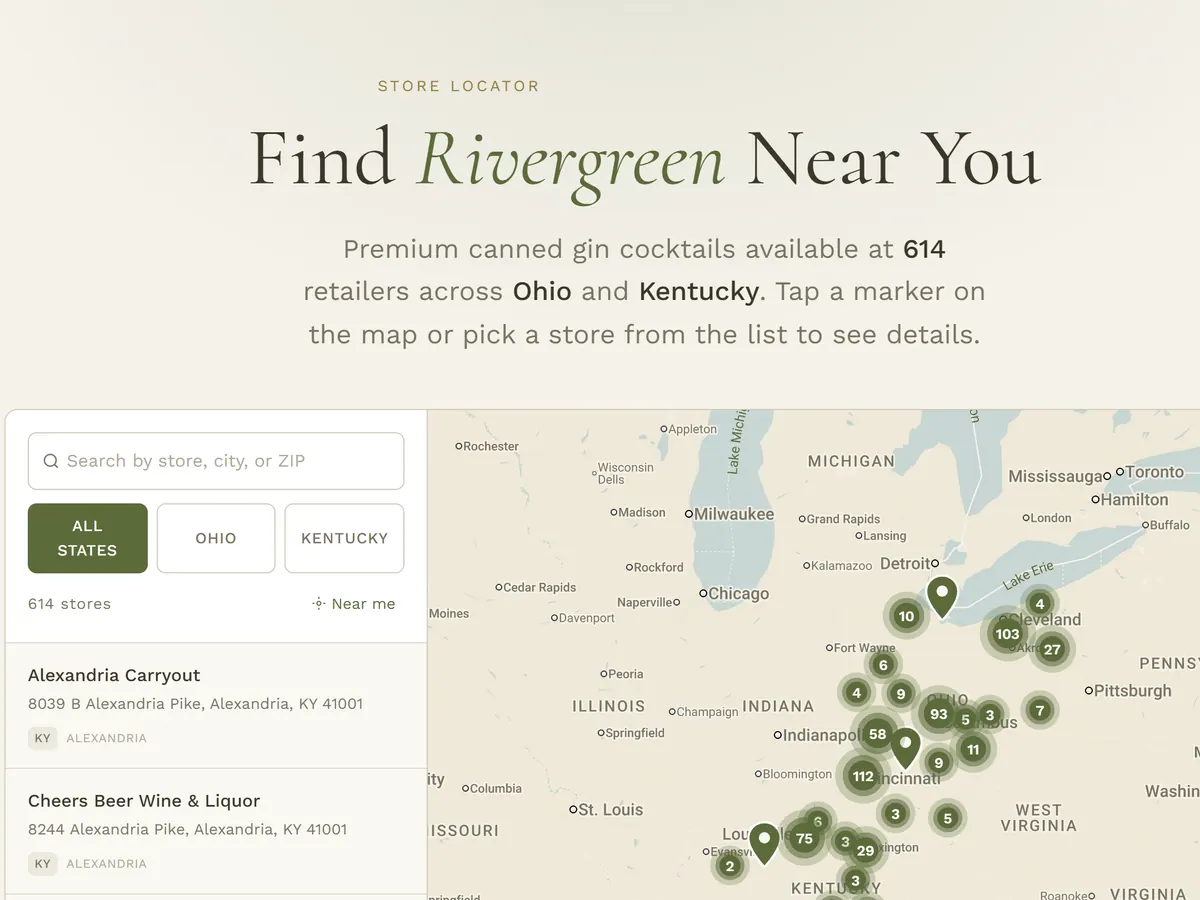
For a canned-cocktail brand, Python build scripts turn real distributor sales data into a geocoded store locator and per-state SEO pages with structured data and directions links, regenerated from the same dataset. An age gate handles alcohol-marketing compliance.
Meal prep and delivery · CleanEats
A Bay Area meal-prep company’s ordering operation: consumer plans, catering and gift cards, ZIP-gated delivery routing and a live macro calculator, plus dedicated ordering portals for police departments, correctional facilities, schools and senior meals.
05 · In their words
Names and titles attached. When someone also has a business tie to our founder, it is disclosed under the quote.
Synaptech built a solid food delivery app that works well for our business. The ordering system is straightforward and our customers find it easy to use. Good communication throughout the project.
06 · How it starts
The same order every time, because each step protects the next. You see the plan before we start and the store before it launches.
Store already live? Start with the free Google Ads and tracking audit instead. It ends with a written audit either way.
Bring the store you have, the theme you started, or just the brands you plan to sell. We walk it together, then hand you a written gap map across hosting, security, payments, tax, fulfillment, integrations and tracking.
Out a written gap map, yours to keep
If there is a fit, you get a written plan after the review: what we keep, what we rebuild and why, with a timeline and an estimate. If there isn’t a fit, we say so.
Out scope, timeline and an estimate, in writing
Tenant isolation, payments, refunds, tax and the webhooks that move an order through fulfillment go in before any storefront gets its polish, with tests on every path that moves money.
Out money paths under test
Each brand’s store on the shared backend, branded email from its own sender, structured data and a sitemap, then a monitored cutover with a rollback path.
Out stores live, monitored
One purchase conversion, the tag container rebuilt and click IDs carried to checkout, verified before the first ad dollar is spent.
Out tracking verified end to end
The Growth Engine: the ad account audited line by line, landing pages for paid traffic, lifecycle email and SMS, and a store locator or per-state pages built from your own data.
Out a next step, not a hand-off
07 · Straight answers
Both, depending on the business. A single brand with subscriptions and wholesale often belongs on Shopify with a tuned theme, Klaviyo and a campaign landing page. Several brands under one roof usually need a custom multi-tenant backend, so a new store is a provisioning run instead of a new codebase.
The gap map says which, and why, before a line changes.
Yes. We run our own that way: each store’s data isolated by the database itself, with its own checkout rules, inventory, coupons and sender identity. A new brand is one provisioning script, and every fix ships once.
Usually, yes. Tracking breaks in the gaps between the ad account, the tag container and the store: duplicate conversion actions, video views counted as purchases, click IDs lost on the hop to checkout. We rebuild the measurement first, reconcile the platforms’ numbers against the orders your store recorded, and only then talk about budgets.
If the store is already live, start with the free Google Ads and tracking audit.
Yes. Carrier and ShipStation webhooks move orders through fulfillment and record shipping cost per order, tax codes set the rate by product and state, and payments are built for partial refunds, chargebacks and disputes. The books reconcile stores, payouts and bank statements, which is how we run our own.
They keep flowing. The new backend goes up beside the store you have, the money paths are tested against real orders in staging, and traffic moves over in a monitored cutover with a rollback path. The old store retires only after the new one has taken its load.
If the store is already live and the problem is the ads, start with the free Google Ads and tracking audit instead.
08 · The front door
Bring the store, the theme or just the brands. Leave with a written gap map across hosting, payments, tax, fulfillment and tracking, before you spend a dollar. If we’re not the right team to close the gaps, the map is still yours.
30 minutes. A written gap map. No pitch unless you ask for one.
info@synaptech.io Send us a message Pleasanton, CA